
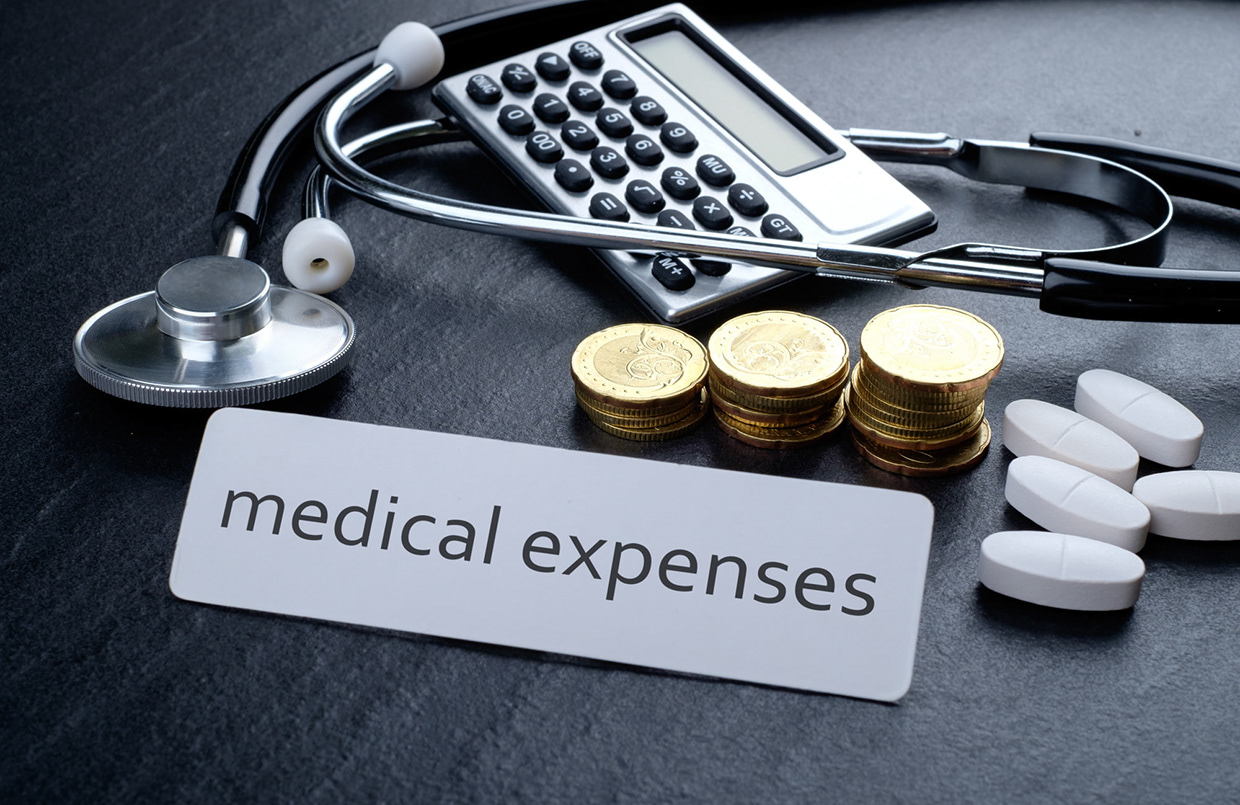
With skyrocketing healthcare costs and medical expenses, medical insurance is like the backbone of a healthy life. However, selecting the right personal health insurance is not an easy task.
Thus, it is essential to understand the terms and conditions that are covered under the plan. Read this blog to learn more about the common mistakes you need to avoid before choosing health insurance.
Table of Contents
What are the Common Mistakes to Avoid When Buying Personal Health Insurance?
These are some of the mistakes you need to avoid while buying personal health insurance:
1. Incorrect Coverage Amount
Opting for a policy with a sum insured that is too low for your potential medical needs is one of the biggest mistakes. Thus, evaluate your family’s age, potential health risks, and lifestyle to determine an adequate coverage amount that can handle future medical expenses.
2. Hiding Medical History
Deliberately concealing existing or past medical conditions to avoid higher premiums or policy denial is not acceptable. Disclose all your medical information truthfully to avoid claim rejection, as insurers can investigate and uncover hidden conditions.
3. Focusing Only on the Premium
Choosing a policy solely because of its low premium without considering its features and benefits. To avoid this, look beyond the premium to assess the policy’s comprehensive benefits, exclusions, and overall value.
4. Ignoring Policy Details
One of the major mistakes when buying individual health insurance is to ignore the key clauses of the policy, which can lead to financial problems during the claim process. Pay close attention to waiting periods, deductibles, co-payment clauses, room rent limits, and policy exclusions.
5. Not Checking Network Hospitals
Failing to verify if your preferred hospitals and healthcare providers are included in the insurer’s network is not acceptable. You can easily avoid this mistake by choosing an insurer with a wide network of hospitals, especially those close to your home, to ensure access to cashless hospitalisation during medical emergencies.
6. Misjudging Health Care Needs
If you do not assess your health care requirements accurately, then it can result in choosing a plan that will not fit your required health needs. Try to go through your past health care usage and anticipate future needs to select a plan that provides adequate coverage.
7. Neglecting to Evaluate Long-Term Value
Purchasing a policy without considering its long-term value and whether it will adequately serve your needs in time can lead to financial problems. Thus, it is crucial to regularly review your policy to ensure it remains suitable as your health needs evolve.
8. Not Checking Claim Settlement Ratio (CSR)
If you overlook the claim settlement ratio of your chosen insurance company, then it can lead to serious problems during medical emergencies. It can lead to potential delays or claim rejections when there is an urgency.
9. Not Understanding Sub-Limits and Co-Payments
Sometimes you can miss the co-payment or sub-limit clauses for specific expenses, such as room rent or certain treatments. These can lead to unexpected out-of-pocket expenses, even if you have the maximum sum insured. Thus, to avoid this, read all the policy details carefully and opt for plans with no sub-limits and zero co-payments.
10. Not Comparing Plans
You can miss out on suitable plans as per your required healthcare needs if you do not compare various personal health insurance plans from different insurers. Comparing different policies is one of the key factors to consider while selecting the best health insurance for you and your family.
How to Buy a Personal Health Insurance Plan Online?
After selecting a personal family insurance plan, you can follow these steps to buy the personal health insurance policy online. These include:
- Visit the insurer’s website or an aggregator portal.
- Fill out the application form with your personal details and medical history.
- Submit all the digital copies of identity proof (Aadhaar card), address proof (Voter ID or driver’s License), and age proof (PAN card, Birth Certificate).
- Pay the premium online through a secure payment gateway.
- After completing the payment, you will receive the policy documents in your email.
- Safeguard your policy document for future purposes.
Additionally, many insurers now integrate with the Ayushman Bharat Digital Mission (ABDM). After purchasing your policy, you can also link it with your health ID by completing the Abha Card download process. This ensures seamless access to your medical records and faster claim settlements.
Final Words
Always provide accurate and complete information while buying your personal health insurance, especially regarding pre-existing conditions, to avoid claim rejection in the future. Before finalising, make sure you are aware of how to file a claim and whether the process is hassle-free. After receiving your policy documents, use the 15-day free-look period to review the terms and conditions. If you are not satisfied, then you can cancel and get a refund.