
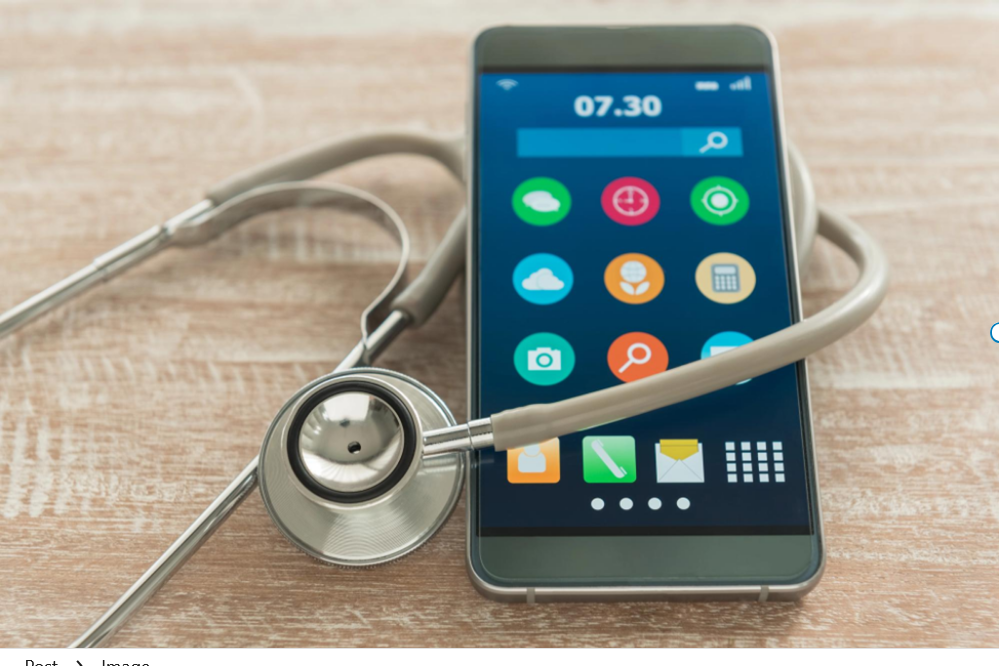
Auscultation, the practice of listening to heart, lung, and body sounds, has long been a cornerstone of clinical medicine. Traditionally performed with an acoustic stethoscope, it relies heavily on a clinician’s training and experience to interpret subtle sound patterns. In 2026, however, this foundational diagnostic method is evolving rapidly. Artificial intelligence (AI) and smart diagnostic technologies are transforming how clinicians listen, analyze, and make decisions.
Table of Contents
From Traditional Tools to Smart Devices
The classic stethoscope is now being enhanced by digital and smart stethoscopes that use advanced sensors and software. These devices capture high quality sound and convert it into digital data that can be stored, replayed, and analyzed.
Unlike traditional tools, smart stethoscopes can filter background noise, amplify specific frequencies, and allow clinicians to compare current recordings with past ones. This shift improves both accuracy and efficiency, especially in busy clinical environments.
AI Powered Sound Interpretation
One of the most important advancements is the integration of AI into auscultation. Machine learning models are trained using large datasets of heart and lung sounds, enabling them to recognize patterns associated with various conditions.
During an exam, AI can provide real time feedback by identifying irregularities such as murmurs, abnormal rhythms, or respiratory issues. This allows clinicians to make quicker, more informed decisions and reduces the likelihood of missing subtle warning signs.
Improving Diagnostic Accuracy
AI assisted auscultation is helping improve detection rates for certain conditions. By analyzing sound patterns with a level of consistency and precision that goes beyond human hearing alone, these systems can support earlier diagnosis.
This is particularly valuable in detecting conditions that may not produce obvious symptoms in early stages. With enhanced detection, patients can receive treatment sooner, which often leads to better outcomes.
Expanding What Clinicians Can Hear
Modern smart devices are capable of capturing a broader range of sound frequencies than traditional stethoscopes. Some systems can detect low frequency signals that would normally be inaudible.
These signals can then be translated into visual or enhanced audio data, giving clinicians a more complete picture of what is happening inside the body. This expanded capability adds a new dimension to auscultation and improves diagnostic depth.
Supporting Telemedicine and Remote Care
AI driven auscultation is also playing an important role in telehealth. Smart stethoscopes can transmit recordings in real time, allowing healthcare providers to assess patients remotely.
This is especially beneficial for individuals in rural or underserved areas. Clinicians can monitor patients from a distance, detect changes early, and provide guidance without requiring in person visits for every checkup.
Making Diagnosis More Consistent
Auscultation has historically been somewhat subjective, with interpretations varying between clinicians. AI helps bring consistency to this process by applying standardized analysis to each recording.
This does not replace clinical expertise, but it supports it. By combining human judgment with AI driven insights, healthcare providers can make more reliable and consistent decisions.
Challenges to Consider
While the benefits are significant, there are still challenges to address. Cost, training, and integration into existing healthcare systems can slow adoption. Additionally, AI systems must be carefully monitored to ensure accuracy and avoid over reliance on automated interpretations.
Clinicians still play a critical role in verifying results and applying context to each diagnosis.
The Future of Auscultation
In 2026, auscultation is no longer just about listening, it is about analyzing and interpreting sound with the help of advanced technology. AI and smart diagnostics are turning a traditional skill into a data driven process.
As these tools continue to evolve, they are likely to integrate with other technologies such as wearable devices and diagnostic imaging. This will further enhance early detection, improve patient monitoring, and expand access to care.
AI is not replacing clinicians, it is strengthening their ability to diagnose and treat patients. By transforming sound into actionable insight, smart diagnostics are bringing new precision to one of medicine’s oldest practices.
Auscultation is entering a new era, where technology and human expertise work together to deliver faster, more accurate, and more accessible healthcare.
–
Written by the staff writing team at HappyWriters.co