
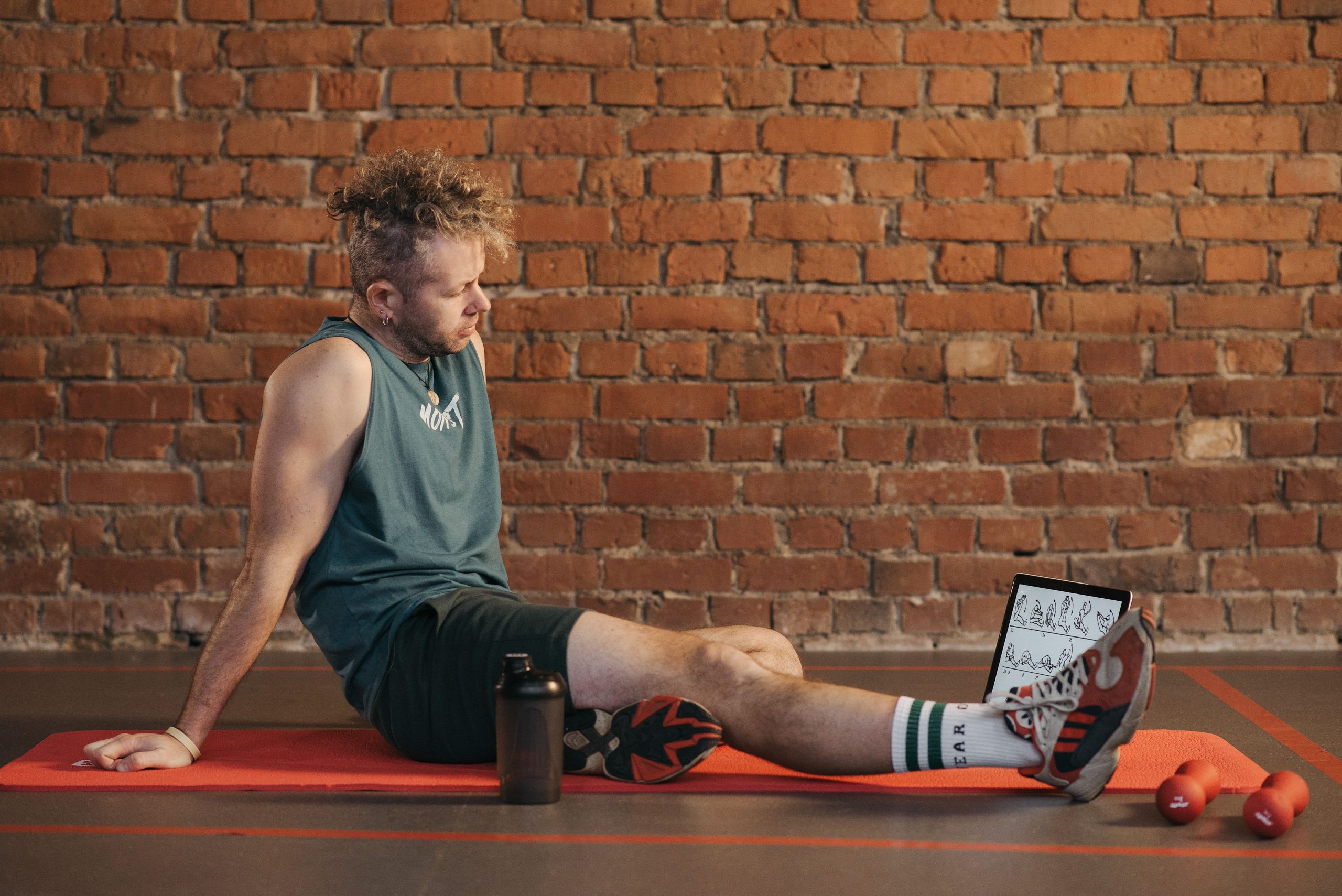
Something shifts quietly somewhere in your thirties, and most people do not notice it until they miss a few weeks of training and the comeback feels harder than it used to. The workouts that once felt routine suddenly leave you sorer for longer. The all nighter followed by a 6am gym session, once a badge of youthful resilience, now results in two days of feeling foggy and stiff. Nobody warns you about this shift in advance, mostly because it happens gradually rather than all at once.
Table of Contents
The myth of the same body, different decade
A lot of fitness advice is written as though the body at thirty five behaves the same way it did at twenty two, just with slightly less energy. That is not quite true. Recovery slows down. Joints that shrugged off sloppy form in your twenties start to complain when you cut corners in your thirties. Hormonal shifts, even small ones, change how your body responds to stress, sleep deprivation and intense training. None of this means fitness gets harder in a discouraging way. It means the approach that worked before needs a few adjustments.
The good news is that these adjustments are small and manageable once you know what they are. The bad news is that most people find out the hard way, usually through a nagging shoulder issue or a lower back tweak that takes weeks to resolve instead of days.
Consistency beats intensity
The biggest shift in mindset that tends to happen after thirty is a move away from chasing intensity for its own sake and toward valuing consistency instead. A punishing two hour session followed by a week off does far less for long term fitness than four moderate, well structured sessions spread across that same week. This sounds obvious written down, yet it runs against a lot of gym culture, which still glorifies the brutal one off workout over the boring, repeatable one.
Professionals in their thirties and forties, juggling demanding jobs, family responsibilities and a shrinking amount of free time, often find that the people who stay fit long term are not the ones who train the hardest occasionally. They are the ones who show up reliably, even when the session is unremarkable. A moderate strength session done every week for a year outperforms an intense one done sporadically for the same period, almost every time.
Recovery becomes non negotiable, not optional
After thirty, recovery stops being a nice extra and becomes part of the actual training plan. Sleep, hydration and basic mobility work matter more than they did a decade earlier, not because the body has become fragile, but because it now needs deliberate support to keep performing the way it used to without any thought at all. Skipping a warm up, training through nagging pain, or treating rest days as wasted time all tend to catch up with people faster in this decade of life than they did in the last.
This is also where facilities that take recovery seriously start to matter more than they might have in your twenties. Access to proper warm up space, guidance on form, and tools for muscle recovery becomes genuinely useful rather than a luxury. A gym set up with a dedicated strength floor alongside recovery options like sauna access or deep tissue work gives members in this age bracket a real advantage over training in a space that only caters to high intensity output. In Mumbai, Andheri houses some of the best gyms in Mumbai built around this fuller picture of training, with a proper free weights floor paired with a recovery suite rather than treating the two as separate concerns.
Form also starts to matter in a way it did not before. A slightly rounded back on a deadlift or a knee that caves in during a squat rarely caused problems at twenty two, when tissues were more forgiving and recovery happened almost automatically overnight. The same small technical flaws, repeated week after week into your thirties, tend to surface as real issues eventually, whether that is a strained lower back or an irritated knee that lingers for months. Investing time in proper coaching and technique work early in this decade tends to pay off for years afterward, since it prevents small habits from turning into recurring injuries later on.
What actually keeps people training long term
Ask anyone who has trained consistently well into their forties and fifties what their secret is, and the answer is rarely a specific programme or supplement. It is usually something closer to patience. They learned to listen to warning signs earlier, they built recovery into their week rather than fitting it in when convenient, and they stopped measuring progress purely by how destroyed a single session left them.
Training after thirty is not about doing less. It is about training smarter, respecting the body’s changing needs, and understanding that consistency, not occasional heroics, is what actually compounds into real results over years rather than weeks. Nobody tells you this at twenty five, mostly because at twenty five it does not yet apply. By the time it does, it is worth already knowing.